Replenishment Planning Software for Supply Chains
Optimize stock movement, reduce stockouts, and improve availability with AI-driven replenishment planning software.
ToolsGroup replenishment planning software helps organizations automate and optimize inventory replenishment across complex supply chain networks. Using AI-driven forecasting, inventory intelligence, and adaptive planning, teams can improve stock availability, reduce excess inventory, optimize replenishment timing, and respond faster to changing demand conditions.
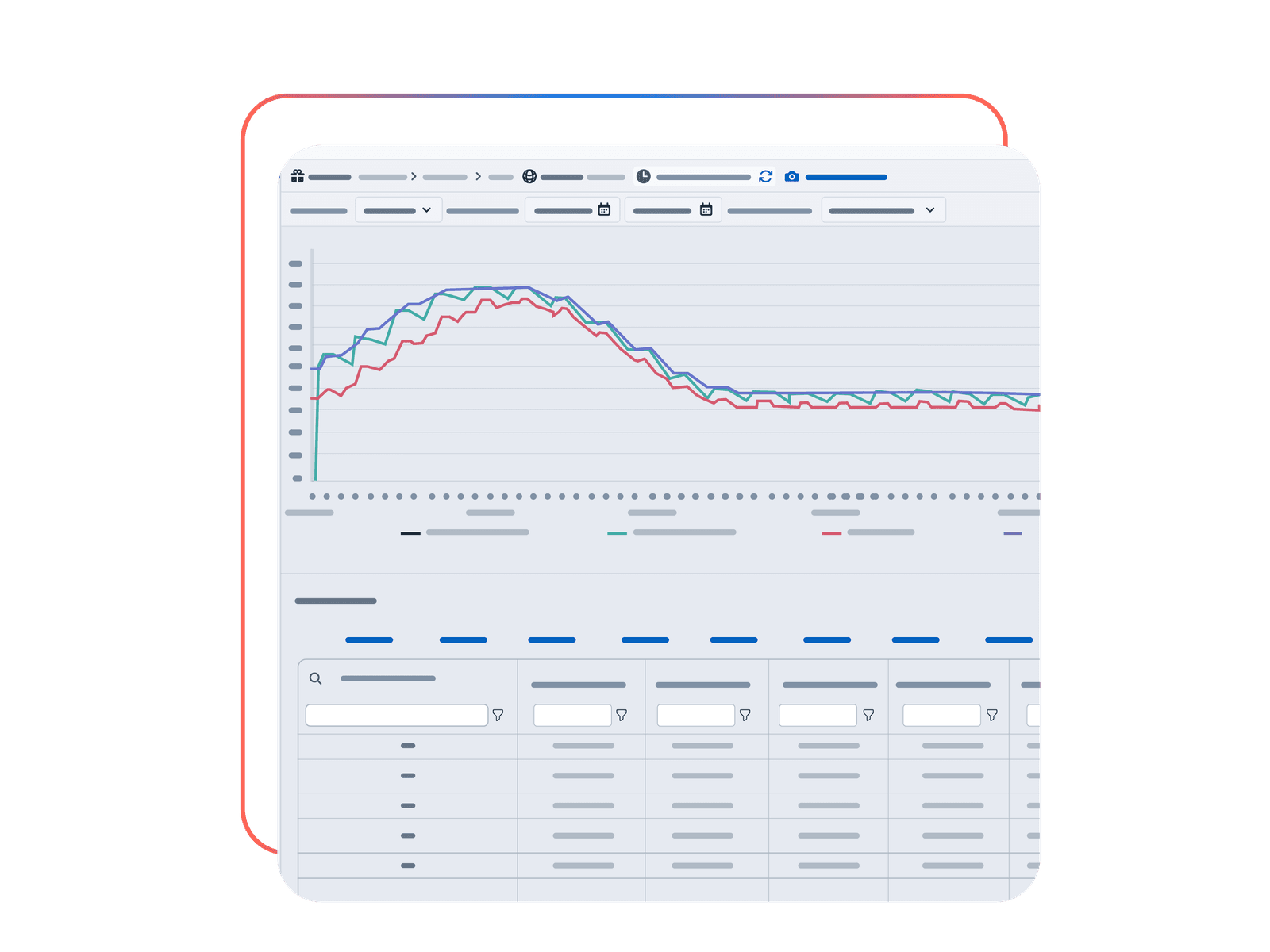
Improve Availability While Reducing Inventory Waste
AI-driven replenishment helps organizations optimize stock flow, reduce stockouts, improve availability, and lower excess inventory across locations.
-
5-10 %
Increase in service levels
-
4-8 %
Reduction in transportation costs
-
25 %
Improvement in product availability
-
Faster
Response to changing demand and inventory conditions
Overview
AI-Driven Replenishment Planning for Better Availability
ToolsGroup Replenishment connects demand planning, inventory optimization, and supply planning to generate smarter replenishment decisions. Instead of relying on static reorder points and manual rules, the platform continuously evaluates uncertainty, inventory targets, service levels, lead times, and operational constraints. AI-powered recommendations help planners prioritize actions, reduce exceptions, improve availability, and lower inventory investment. Replenishment becomes a dynamic process that adapts to real-world conditions while supporting service, inventory, and profitability goals.
Key Benefits
Reduce Stockouts & Excess
Automate Workflows
Optimize Stock Flow
How ToolsGroup Is Different
-
Dynamic replenishment policies
Dynamic replenishment policies balance demand, capacity, inventory, and operational constraints to ensure products are available when and where needed.
-
Optimized procurement
Optimized procurement recommendations reduce purchasing costs without increasing inventory or service risk.
-
Supplier risk modeling
Supplier risk modeling accounts for supplier variability and delays to optimize order timing, quantities, and service performance.
Manual Replenishment Creates Inventory Imbalance
- Static replenishment rules often fail when demand shifts, causing stockouts in some locations and excess inventory in others.
- Manual replenishment workflows slow decision-making and reduce responsiveness across warehouses, stores, and distribution networks.
- Disconnected demand, inventory, and supply signals make it difficult to replenish stock accurately and efficiently.
- Poor replenishment timing increases carrying costs, missed sales, expediting, and operational inefficiency across supply chains.
AI-Driven Replenishment Planning
- AI continuously analyzes demand signals, inventory positions, and replenishment needs across locations and channels.
- Adaptive replenishment recommendations improve stock availability while reducing excess inventory and manual intervention.
- Connected workflows align forecasting, inventory optimization, and replenishment decisions across supply chain operations.
- Automated replenishment planning helps teams respond faster to volatility, promotions, and changing customer demand.
Connected Capabilities Across Replenishment Planning Workflows
Integrated planning capabilities that improve stock flow, replenishment timing, availability, and inventory performance across supply networks.
-
Demand Forecasting
Continuously predicts future demand patterns so replenishment decisions reflect current customer behavior and market conditions.
-
Inventory Optimization
Balances stock availability, service levels, and carrying costs across stores, warehouses, and operational locations.
-
Replenishment Automation
Recommends when, where, and how much stock to replenish based on demand, inventory, and service targets.
-
Supply Chain Visibility
Connects real-time inventory and operational signals so teams can respond quickly to changing replenishment needs.
Trusted by Leading Global Supply Chain Teams


-
The most valuable capability was the simplicity in which the software addresses complexity. Other aspects such as its qualification in the Nucleus and Gartner quadrants, its technological interfaces, the professionalism and expertise of its executives, and of course, the project’s return on investment were also decisive variables.

-
Thanks to ToolsGroup applying its new machine learning technology to our problem in a creative way, we're now much better geared up to serve our demanding client base without impacting our bottom line.
 Impact 15+ pt Availability
 -
ToolsGroup stands out by taking a more scientific approach, leveraging advanced mathematical models to drive data-based decisions. Our complex supply chain requires agility and automation, and ToolsGroup equips us with the technology and visibility into our operations needed to deliver our promise to meet the needs of our consultants and end-users, while simultaneously reducing inventory and cost. We are bringing our vision of inventory planning excellence to life!

Why Enterprises Choose AI-Driven Replenishment Planning
ToolsGroup helps organizations improve availability, optimize stock flow, and automate replenishment using adaptive AI-driven planning.
Feature
ToolsGroup
Traditional Planning
Replenishment Logic
ToolsGroup Probabilistic and adaptive
Traditional Planning Static reorder points
Inventory Targets
ToolsGroup Continuously optimized
Traditional Planning Fixed policies
Exception Management
ToolsGroup AI prioritizes actions
Traditional Planning Manual review
Adaptability
ToolsGroup Continuous adjustment
Traditional Planning Periodic updates
Built for Inventory and Replenishment Teams
ToolsGroup replenishment software supports retailers, manufacturers, distributors, and planning teams managing stock availability, inventory flow, and replenishment efficiency.
Replenishment Managers
Improve replenishment efficiency and availability.
Inventory Managers
Reduce stock while protecting service levels.
Distribution Managers
Improve inventory flow across locations.
Supply Chain Leaders
Align replenishment with business outcomes.
Replenishment Insights
Guides, research and customer results from teams solving the same problem.
-

Demand Sensing: Turning Short-Term Signals Into Better Decisions
Demand sensing brings near-term signals into daily planning to improve replenishment, allocation, and exception management.
Read more -

Kotsovolos – Demand Planning Rewired by Intelligence
In this session, Kotsovolos shares how AI‑driven planning and intelligent automation are reshaping retail replenishment. Discover how reducing manual effort, improving availability, and empowering pl…
Read more -

Smarter Back-to-School Replenishment With AI
Smarter back-to-school replenishment with AI helps retailers optimize inventory, cut excess stock, and stay ready for phased demand.
Read more
Frequently Asked Questions
Everything you need to know about AI-driven replenishment planning with ToolsGroup
What is replenishment software?
Replenishment software helps organizations determine when and how much inventory to reorder to meet demand while controlling inventory costs.
How does replenishment differ from inventory planning?
Inventory planning sets targets; replenishment executes actions needed to achieve those targets.
What is probabilistic replenishment?
It accounts for uncertainty in demand and supply instead of relying on static assumptions.
How does replenishment improve service levels?
It helps ensure inventory is available where and when customers need it.
How does replenishment reduce inventory?
By aligning orders with optimized inventory targets and actual risk levels.
How does AI improve replenishment?
AI prioritizes actions, identifies risks, and recommends optimal replenishment decisions.
What is automated replenishment?
Automated replenishment uses software to generate replenishment recommendations or orders with minimal manual effort.
Which industries benefit from replenishment software?
Manufacturing, retail, distribution, consumer goods, food and beverage, and aftermarket organizations.
Ready for Replenishment That Delivers?
Find out why analysts and customers alike consistently rank ToolsGroup's AI-driven replenishment planning among the most effective platforms for availability, stock flow, and inventory performance.