AI in Demand Forecasting: Trends & Transformations


Introduction: Why AI Is Reshaping Demand Forecasting
AI in demand forecasting is revolutionizing how businesses predict and respond to market changes. As markets shift rapidly and customer expectations rise, traditional forecasting models—built for slower, more predictable environments—struggle to keep up. Today, AI brings speed, intelligence, and adaptability to the planning process, learning from real-time data and uncovering complex patterns that human analysts may miss. This shift enables supply chain teams to generate more accurate forecasts, reduce surprises, and plan with greater confidence. As organizations seek a competitive edge, AI-enabled forecasting is becoming a strategic differentiator, enhancing resilience, supporting better decision-making, and freeing planners to focus on high-value work. This blog explores how AI is reshaping demand forecasting and the trends driving the next generation of supply chain planning.
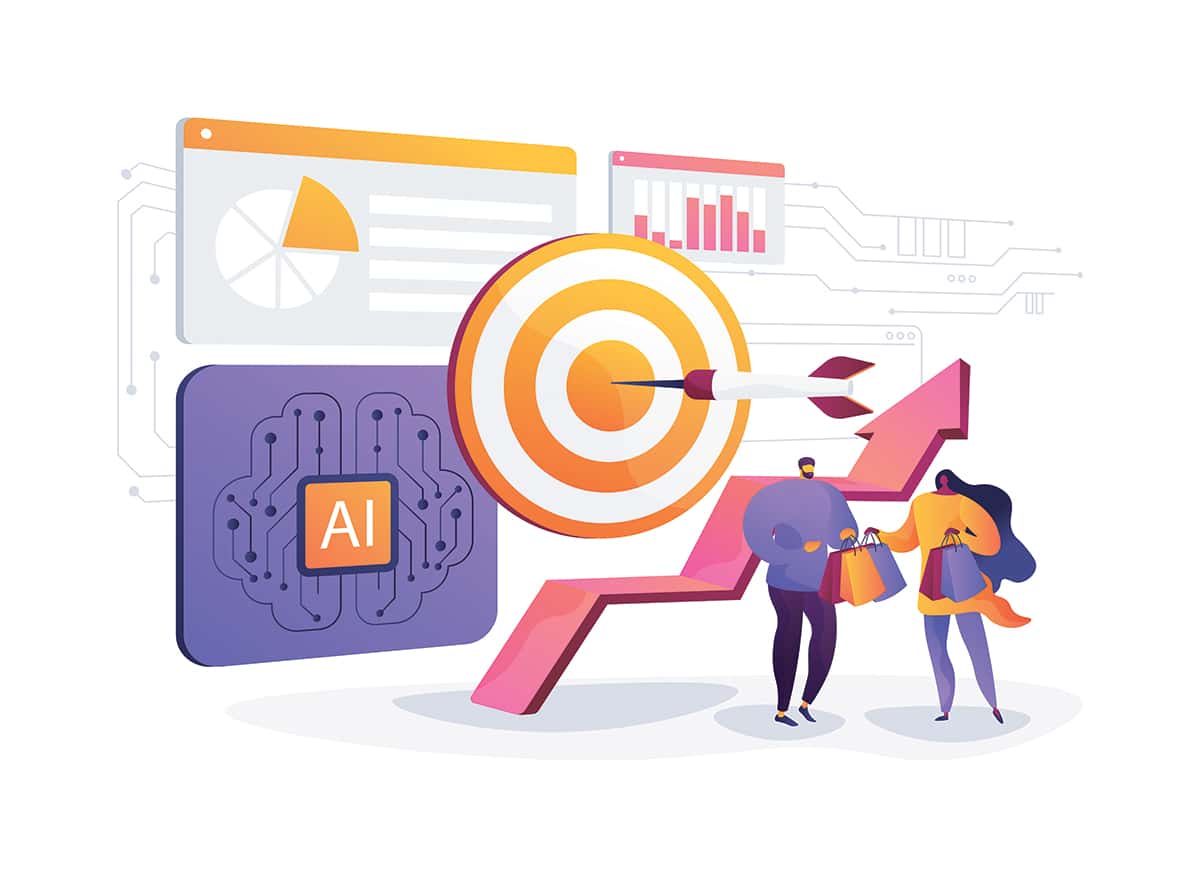
What AI in Demand Forecasting Brings to Modern Supply Chains
AI in demand forecasting introduces intelligence and flexibility that traditional tools cannot match. Unlike classic models that rely on historical data and fixed assumptions, AI systems learn from a wide range of signals—transactional data, promotions, seasonality, weather, macroeconomic factors, and external trends. This creates a dynamic, comprehensive view of demand. Machine learning and deep learning models detect complex, nonlinear relationships, revealing how variables interact in ways manual analysis often overlooks. AI can identify subtle shifts in customer behavior, emerging micro-trends, and patterns unique to specific regions or channels. By incorporating unstructured data like social sentiment and digital engagement, AI delivers forecasts that are both accurate and responsive to external changes. Overall, AI brings a more adaptive and holistic approach to forecasting, setting the foundation for real-time planning and more confident decision making across the supply chain.
Pattern and Relationship Detection with AI
A core strength of AI in demand forecasting is its ability to detect patterns that traditional methods miss. While classic models expect predictable trends, real demand is often irregular—especially for long-tail products or items affected by rapid shifts. AI models excel at uncovering nonlinear relationships within large datasets, learning how multiple variables influence demand together. This enables recognition of complex interactions, such as the combined effects of promotions, pricing, weather, and social signals. For volatile or irregular demand, AI separates noise from meaningful signals, identifies early indicators of trends, and supports faster, more informed decisions. By understanding demand at a deeper level, AI produces forecasts that better reflect actual market behaviour. This helps businesses manage inventory more efficiently, reduce forecast error, and build supply chains that stay aligned with fast-changing consumer needs.
Real-Time Forecast Adjustments
Traditional forecasting tools update on fixed cycles, often leaving planners reacting too late. AI in demand forecasting enables continuous, real-time adjustments as new data arrives. AI-powered models ingest fresh information instantly—sales, inventory, supplier updates, market trends, and external signals—recalculating predictions on the fly. This real-time capability is invaluable for industries with high volatility, allowing for agile inventory and replenishment decisions. Retailers dealing with seasonal trends, manufacturers with short product cycles, and distributors managing thousands of fast-moving SKUs all benefit from forecasts that adapt quickly. Planners spend less time on manual revisions and more on strategic actions, strengthening supply chain resilience and accuracy.
Advanced Anomaly Detection and Error Reduction
Unexpected disruptions can derail forecasts. AI in demand forecasting delivers powerful anomaly detection, spotting irregularities early and reducing forecasting errors. AI models monitor data for deviations from normal patterns, alerting planners to issues before they escalate. This is especially important for organizations managing large assortments or multiple channels. Human teams simply cannot review every data stream manually. AI can flag issues such as missing sales data, incorrect pricing, unexpected dips, or sudden spikes linked to external events. Early warnings improve reliability, reduce noise, and enhance overall forecast accuracy, resulting in better stock availability and more stable operations. By reducing noise and identifying errors before they spread through the forecast, AI significantly improves overall forecast accuracy. The result is better stock availability, fewer last-minute adjustments, and more stable operations across the supply chain.

Scenario Planning and Risk Simulation Using AI in Demand Forecasting
AI in demand forecasting empowers organizations with scenario planning, generating simulations to explore possibilities like demand surges or supply disruptions. Planners can evaluate the impact of economic shifts, weather events, or promotions, and develop mitigation strategies in advance. Scenario planning improves cross-functional collaboration, giving finance, operations, and sales teams clearer visibility and better preparation for fluctuations. AI-driven simulations turn forecasting into a proactive, strategic exercise. By identifying potential disruptions early and providing data-driven insights, AI helps companies build more resilient and agile supply chains. It allows decision makers to choose the best course of action, reduce uncertainty, and respond with confidence when unexpected events occur.
The Role of Generative AI in Demand Forecasting and Planning
Generative AI adds a new layer of intelligence to AI in demand forecasting, helping planners access insights and communicate across teams. Planners can use natural language queries to explore forecasting insights, ask questions, and receive clear, accessible explanations. Instead of navigating dashboards or running manual reports, they can ask questions such as “Why did demand increase for this category last week?” or “What are the biggest risks to next month’s forecast?” Generative AI can summarize data, highlight the drivers behind trends, and explain recommendations in clear, accessible language. This supports better alignment across sales, finance, and operations, making advanced forecasting more accessible and improving communication. Generative AI reduces time spent on analysis, enabling planners to focus on strategic actions.
Practical Benefits for Supply Chain Teams Using AI in Demand Forecasting
AI-driven demand forecasting delivers measurable benefits: reduced manual effort, improved inventory management, and enhanced visibility across the supply chain. Automated tasks free planners for strategic work, while improved accuracy leads to optimal stock levels and reduced costs. Real-time forecasting supports quick responses to disruptions and better planning for transportation, capacity, and labor. Ultimately, AI strengthens financial performance and customer satisfaction. More accurate forecasts help reduce carrying costs, limit lost sales, and support more efficient resource allocation. As planning becomes more automated and data driven, organizations gain a competitive advantage through faster decision making, stronger resilience, and improved customer satisfaction.

AI Adoption Challenges in Demand Forecasting and How to Overcome Them
Despite its advantages, AI in demand forecasting faces challenges: data readiness, change management, and model governance. Clean, consistent data is essential for effective AI forecasting. Change management requires clear communication and training to help planners adapt. Model governance ensures forecasts align with business goals and regulations. Choosing the right technology partner—one that integrates with existing systems and provides explainable insights—is key to a smooth transition. With the right foundation, the transition to AI enabled forecasting becomes smoother and delivers value more quickly. By addressing these adoption challenges proactively, companies can build a strong foundation for long-term success and unlock the full potential of AI driven planning.
Why AI in Demand Forecasting Is Becoming the New Standard
AI in demand forecasting is rapidly becoming the industry standard, addressing the challenges of volatile markets and unpredictable customer behavior. Organizations that embrace AI gain a competitive advantage through faster reactions, reliable service, and reduced costs. The shift toward autonomous planning is accelerating, with AI supporting accurate predictions and reducing manual workload. AI-powered demand forecasting is foundational for resilient, efficient, and customer-focused supply chains. As digital transformation continues to shape the global market, AI powered demand forecasting will be a foundation of high performing operations and long-term business success.
FAQs
What types of AI are used in demand forecasting?
Machine learning, deep learning, and probabilistic models analyze diverse data sets to understand patterns, identify relationships, and produce more adaptive forecasts.
Can AI work alongside traditional forecasting models?
Yes, hybrid approaches allow AI to enhance or complement existing statistical models. This allows planners to retain familiar methods while gaining the accuracy and adaptability that AI provides.
How long does it take to see improvements in accuracy?
Timelines vary, but some teams see results in weeks; complex operations may take months.
What data is required for AI forecasting to work effectively?
Clean, complete data and well-structured data—historical sales, promotions, pricing, inventory, seasonality, and external signals—drives strong results.
Can AI forecasting reduce the workload for supply chain planners?
Absolutely. AI automates manual tasks, flags anomalies, and provides real-time insights, enabling planners to focus on strategy.