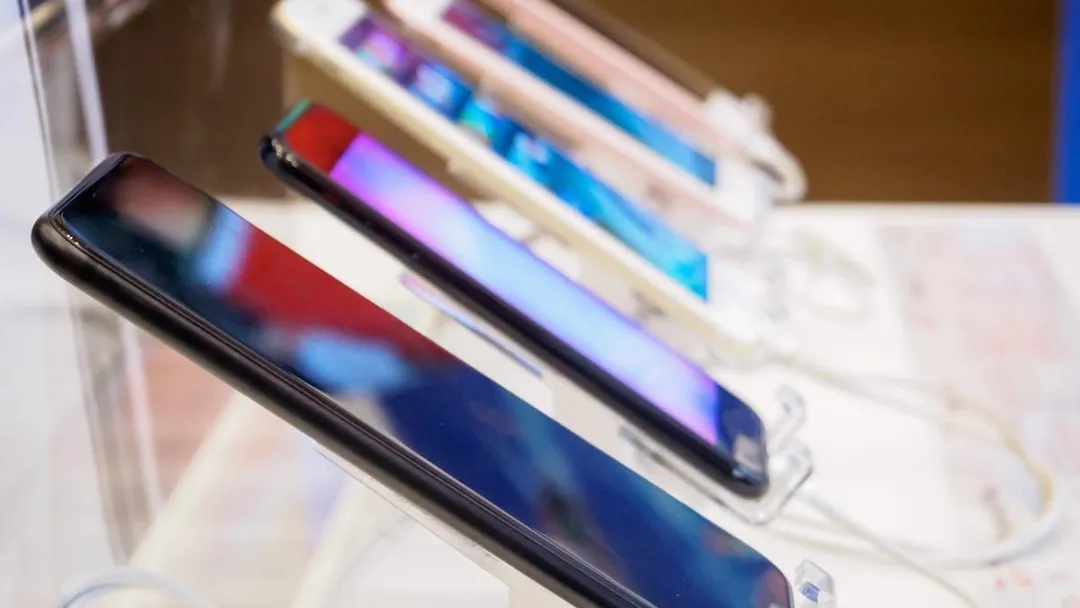
This is a story about how a changing market environment and a business model that was adapting to the changes created the need for a new approach to supply chain planning.
The telecom provider business model was traditionally about delivering networked voice and data to homes and businesses, therefore not necessitating strong supply chain planning. But that has changed in the last decade due to the rapid growth of smartphones. The following is how a few telecom providers learned to react to the change, adopting a more aggressive approach to supply chain planning, and breaking through their supply chain and business performance barriers.
In the past decade, smartphones have become the primary business of telecom providers, creating a new set of supply chain planning challenges. Here are a few:
- Short product lifecycles – Smartphones can become obsolete quickly, requiring carefully managed stocks to avoid lost value and obsolescence. This challenge becomes particularly daunting in generational transitions, such as from 3G to 4G.
- High cost, value and margin products mean that inventories can significantly impact balance sheets and cash flows
- Sales usually include not just the phone, but also the service contract. In order to maximize Average Revenue per User (ARPU), telecoms need the right stock in place to avoid lost sales.
- Product availability is even more important to ARPU in commoditized market where consumers focus more on price and availability than brand preference